Breaking News




Popular News




Enter your email address below and subscribe to our newsletter

 Byafshena
The landscape of luxury travel is undergoing a profound transformation as the year 2025 approaches, driven by a highly discerning and increasingly affluent global clientele. No longer are opulent journeys defined solely by expense; today’s high-end traveller seeks a confluence of exclusivity, deep immersion, and often, environmental consciousness. The prevailing global trends indicate a powerful shift away from standardized, mass-market luxury towards bespoke, hyper-personalized experiences that promise privacy and unparalleled access. At the heart of this global redefinition, established cultural behemoths like Europe and rising stars like Japan are setting the definitive standard, supported by key destinations such as the Caribbean and the rugged beauty of nature-driven locales. This comprehensive analysis delves into the major facets of the 2025 luxury travel forecast, examining the seismic shifts in traveller preferences, the explosive growth of premium transport, and the crucial role of sustainability, all while tracing the influence of global travel architects like Internova Travel Group.
The essence of the modern luxury trip lies in its ability to offer a completely tailored narrative. Affluent travellers are now prioritising experiences that are difficult—if not impossible—to replicate, valuing privacy and authenticity above all else. This pursuit of the unique has fuelled demand across specific geographical domains and specialized modes of transport, carving out distinct niches within the trillion-dollar industry. From the soaring spending on First and Business Class air travel to the near-twenty percent surge in private yacht bookings, the indicators are clear: the future of luxury travel is customized, exclusive, and unreservedly premium.
The global map of luxury is clearly delineated by three dominant geographical pillars in 2025: Europe, Japan, and the Caribbean. While each offers a unique proposition, they collectively satisfy the modern traveller’s hunger for quality, culture, and escape.
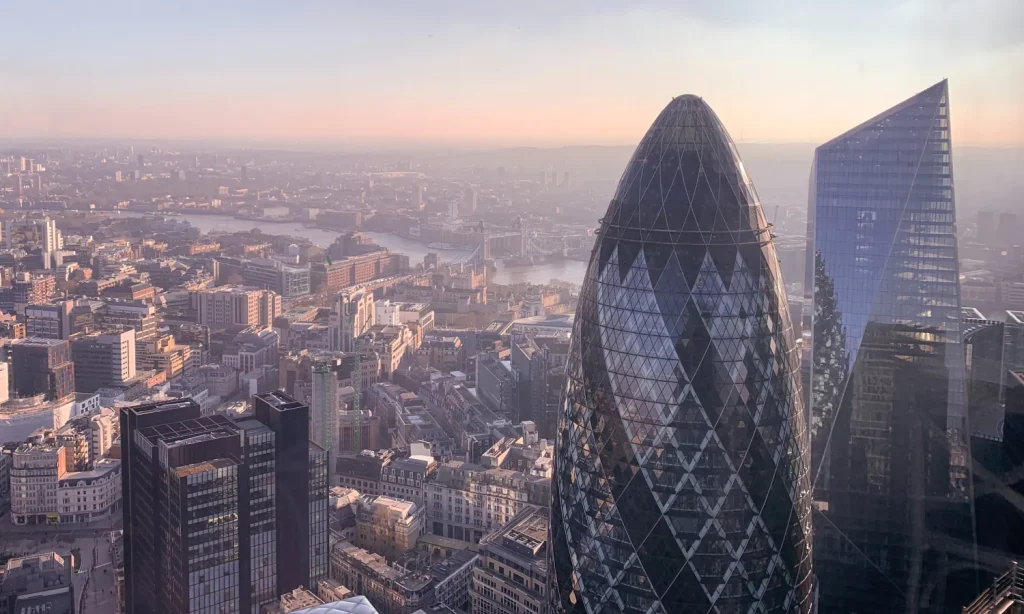
Europe, with its unparalleled density of cultural, historical, and gourmet offerings, maintains its status as the dominant force in international luxury travel. Its appeal is multi-layered, ranging from the time-honoured traditions of high-end shopping in Paris and Milan to exclusive, private access tours of the Vatican or the hidden wineries of Bordeaux. The European luxury experience in 2025 is no longer about checking off major landmarks; it is about securing unique, privileged moments: a private viewing of a Renaissance masterpiece, securing the most sought-after table at a three-Michelin-star restaurant, or navigating the Mediterranean on a fully crewed private motor yacht. The continued flow of international wealth into key European cities and secluded regions ensures its position as a benchmark of sophistication. This demand is further amplified by bespoke travel advisors who specialize in unlocking European experiences that remain inaccessible to the general tourist.
Japan’s rise to prominence in the luxury sector is one of the most compelling narratives of 2025. It offers a singular blend of ancient tradition and hyper-modern efficiency, creating an experience that is both profoundly serene and technologically advanced. The attraction extends beyond the established routes of Tokyo and Kyoto, with secondary cities and regions, such as Osaka, experiencing a significant surge in high-end bookings.
The allure of Japan for the affluent traveller stems from its focus on immersive cultural experiences. This includes private Ryokan stays, exclusive tea ceremonies with masters, personalized Kaiseki dining experiences, and tailored explorations of artisanal crafts like pottery or sword-making. Crucially, Japan excels at the seamless integration of luxury and local culture, providing high-touch service (Omotenashi) that few other destinations can match. The demand here is for deep, thoughtful engagement—a cultural education conducted within the highest parameters of comfort and privacy. This meticulous attention to detail and cultural respect positions Japan as a key driver for the future of experiential luxury.
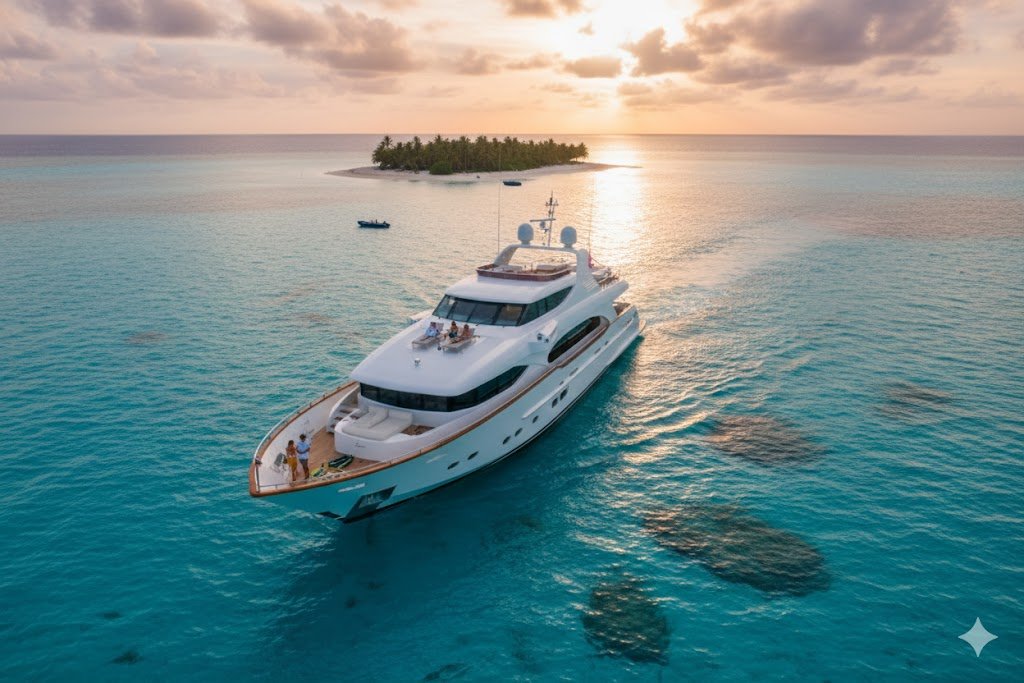
The Caribbean remains a cornerstone of the leisure luxury market, prized for its reliable climate, stunning natural beauty, and, most importantly, its ability to offer complete disconnection and privacy. The region’s enduring appeal is reinforced by the accessibility of private villas, dedicated island resorts, and the critical trend of private yachting. The demand for the Caribbean is not merely for a beach holiday; it is for an effortless, high-security escape. The concept of the “complete island takeover” or securing the most exclusive overwater bungalows exemplifies the Caribbean’s role as the quintessential destination for wealthy travellers seeking absolute peace and anonymity. Its consistent performance underlines the fact that, for a significant segment of the affluent market, undisturbed relaxation remains the ultimate luxury.
The shift towards exclusive experiences is nowhere more evident than in the modes of transport preferred by luxury travellers. The focus has decisively moved from mere transit to the journey itself becoming an integral, personalized part of the vacation.
The sea voyage market has fragmented into two high-growth segments: high-end luxury cruises and ultra-exclusive private yachts.
The commitment to comfort and exclusivity begins long before arrival. Premium air travel remains a non-negotiable priority for luxury clients, a trend starkly illustrated by global spending data. A massive 63 percent of all air travel spending channeled through major global networks, such as Internova’s, is allocated to First-Class and Business-Class seats. This figure is a powerful testament to the desire for seamless, personalized service and physical comfort from the moment of departure. The investment in premium cabins—be it in the form of flat beds, gourmet dining, or private suites—is seen not as an extravagance, but as a prerequisite for a successful luxury journey. It ensures the traveller arrives rested, relaxed, and ready to immediately engage with their high-end destination experience.
Perhaps the most significant ethical shift in 2025 luxury travel is the increasing demand for journeys that offer a deep connection to nature alongside a commitment to sustainability and responsible practices. The wealthy traveller of today does not want to merely witness nature; they want to engage with it thoughtfully.
Regions offering raw, untouched natural beauty and a clear dedication to conservation are experiencing a massive surge in popularity. Destinations like Patagonia (Chile/Argentina), the stark, beautiful Atacama Desert, and the biodiversity hotspot of the Galápagos Islands are drawing affluent visitors who seek both adventure and ethical engagement. These locations appeal to a segment that values exclusivity but also desires to leave a positive footprint.
The journeys to these remote locations are, by their nature, more specialized and expensive, requiring bespoke logistics, expert guides, and high-end, often eco-conscious accommodations. The luxury here is found in the profound, immersive connection to the natural world—a private guided hike, an exclusive boat charter to view wildlife, or a stay at a lodge powered entirely by renewable energy. This trend signifies a shift toward “conscious consumption,” where wealth is deployed to support environmental and community well-being while simultaneously securing a rare and enriching personal experience.
The growing interest in sustainable tourism reflects a broader industry and societal pivot toward responsible travel practices. For luxury brands and destinations, this means going beyond greenwashing. It requires genuine, transparent efforts that benefit both the environment and the local communities. The modern affluent traveller demands that their significant investment supports responsible operations. As travellers actively seek out eco-conscious and immersive experiences, the market advantage will increasingly belong to destinations and operators that can demonstrably balance opulence with environmental responsibility. This balance is crucial in shaping the long-term appeal of high-end, expedition-style travel.
The complexity and personalization required by the 2025 luxury traveller necessitate the involvement of sophisticated travel architects and global networks. Organizations like Internova Travel Group are instrumental in shaping and facilitating these intricate trends.
The value of a global travel network lies in its ability to offer exclusive experiences that are unavailable to the general public. Through tailored programs like CURATED Hotels & Resorts and SELECT In-Country Partners, firms provide clients with VIP amenities, privileged access, and unique insights. These programs are designed to transform a standard luxury trip into a truly bespoke journey, offering tangible benefits such as room upgrades, private tours, and value-added extras that maximize the client’s investment.
The sophistication of 2025 travel trends highlights the indispensable role of the luxury travel advisor. With a vast global network of over 100,000 travel advisors spanning more than 80 countries, global travel groups act as crucial intermediaries. These expert advisors possess the deep knowledge and established relationships necessary to create bespoke travel plans for each client, ensuring every journey is as unique as the traveller themselves. From securing the best premium air options to chartering private yachts and arranging remote expedition logistics, the advisor is the key to unlocking the highest level of personalization and service. Their strategic partnerships with leading travel brands ensure clients receive preferential treatment and personalized service across every touchpoint.
The luxury travel industry in 2025 is defined by a dynamic and powerful confluence of factors: the unwavering cultural draw of Europe, the high-touch, immersive appeal of Japan, and the crucial non-negotiables of privacy, personalization, and responsible travel. Affluent travellers are redefining the experience of the world, prioritizing intimacy, exclusivity, and a deeper connection over mere display.
The financial data—from the two-thirds allocation of air spending to premium cabins, to the staggering growth in yacht and luxury cruise bookings—underscores the commitment to quality and controlled environments. Meanwhile, the growing popularity of destinations like Patagonia and the Galápagos Islands signals a permanent ethical evolution, where luxury and environmental consciousness are no longer mutually exclusive but mutually reinforcing. As organizations continue to innovate and expand their bespoke offerings, the demand for curated, high-end experiences is poised to shape the industry for decades to come, ensuring that the future of luxury travel is meticulously tailored, profoundly private, and increasingly purposeful.