Breaking News



Popular News




Enter your email address below and subscribe to our newsletter

 Byafshena
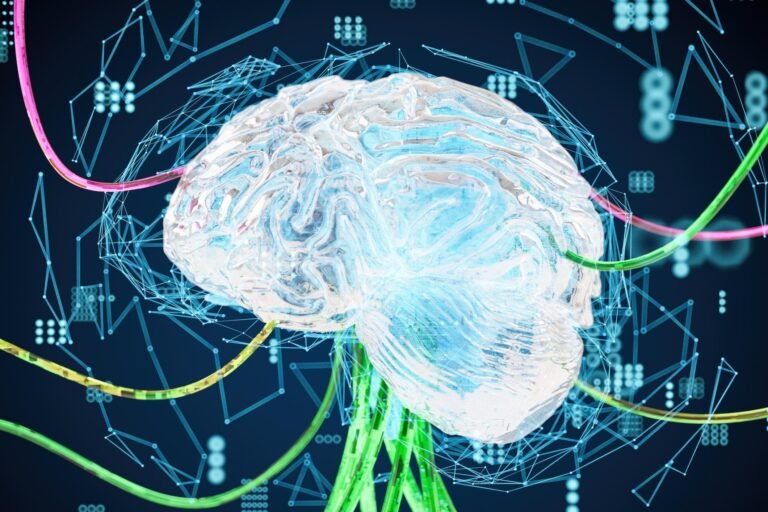
Artificial intelligence has become a powerful tool in modern science. AI systems assist in drug discovery, climate modeling, and space exploration. By identifying patterns in massive datasets, AI enables researchers to generate insights that would be impossible through manual analysis alone.
In medicine, AI-driven diagnostics are improving accuracy and efficiency. These technologies are supporting healthcare professionals while raising new discussions about ethics, regulation, and responsibility.
Biotechnology continues to transform healthcare in Western countries. Advances in genetics, personalized medicine, and biomedical engineering are enabling treatments tailored to individual patients. Innovations such as gene editing and mRNA technology have opened new pathways for preventing and treating disease.
These developments are improving patient outcomes while also driving investment in scientific research and healthcare infrastructure.
Climate science has become one of the most influential fields in the modern scientific landscape. Researchers in Europe and the United States are developing new technologies to address climate change, including renewable energy systems and sustainable materials.
Scientific data plays a critical role in shaping environmental policy and public awareness. As climate challenges intensify, science-driven solutions are essential for long-term global stability.
Effective science communication is increasingly important in the digital age. Online platforms allow scientists to share findings directly with the public, improving accessibility and engagement. However, misinformation remains a challenge, emphasizing the need for credible sources and clear communication.
Building public trust in science requires transparency, education, and collaboration between researchers, media, and institutions.
Science in the West is moving toward a more interconnected and interdisciplinary model. Technology will continue to accelerate discovery, while ethical considerations will shape how innovations are applied. Education and public engagement will remain essential to ensuring that scientific progress benefits society as a whole.
Science is a driving force behind social and economic progress in Europe and the United States. As digital innovation transforms research and healthcare, scientific discovery will continue to redefine modern life. The future of science depends on responsible innovation, global collaboration, and sustained investment in knowledge.