Breaking News


Enter your email address below and subscribe to our newsletter

 Byafshena
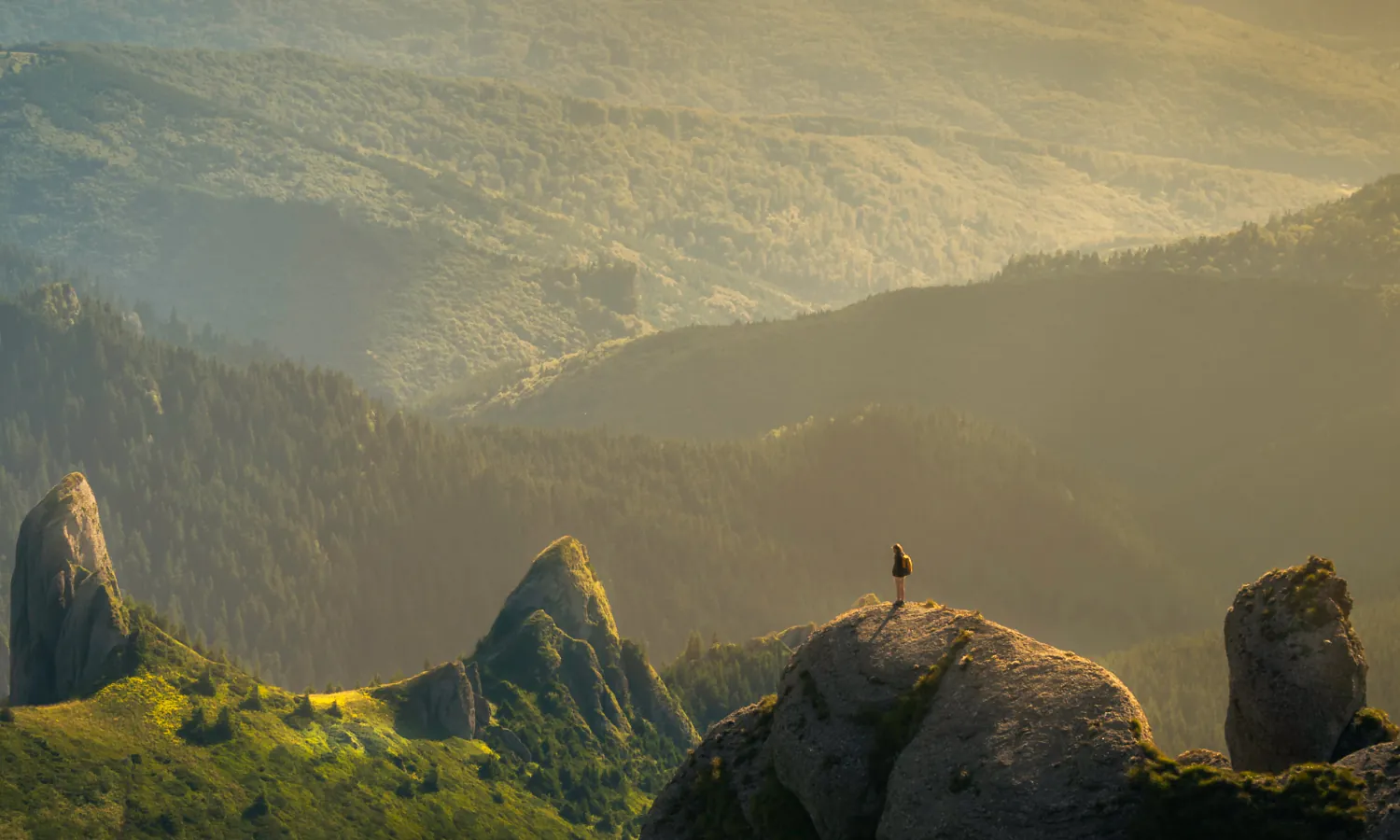
Mountains are some of the most majestic and iconic geological formations on Earth. They are not merely massive, towering rocks, but also pillars of life, the world’s natural water towers, and inexhaustible sources of cultural inspiration and adventure. The vistas offered by mountain ranges globally provide an unmatched diversity, from rugged icy peaks to vibrantly colored plateaus.
Ecologically, mountains play a crucial role in shaping the surrounding climate and landscape.
Some mountains have become national symbols and global tourism icons due to their unique shapes and stunning surrounding scenery.
| Iconic Mountain | Location | Unique Scenery |
| Mount Fuji (Fujisan) | Japan | An almost perfectly symmetrical conical peak, often snow-capped, surrounded by five large lakes. A frequent subject in classic Japanese art. |
| The Matterhorn | Switzerland/Italy | A rugged, pyramidal peak. Its landscape is dominated by picturesque Alpine villages and glaciers. |
| Table Mountain | South Africa | A dramatic, flat-crowned mountain towering over Cape Town. The view from the top offers a panorama of the city, beaches, and the Atlantic Ocean. |
| Vinicunca Mountain | Peru | Known as the “Rainbow Mountain” due to layers of minerals creating bright colors like red, yellow, and greenish-blue on its slopes. |
| Mount Bromo | Indonesia | A wide caldera landscape called the Sea of Sand (Lautan Pasir), with Mount Batok and Mount Semeru in the background, famous for its spectacular sunrise views. |
| The Himalayas | Asia (Nepal/Tibet) | The highest mountain range in the world, including Mount Everest. Features views of perpetually ice-covered peaks, rugged valleys, and a rich mountain culture. |
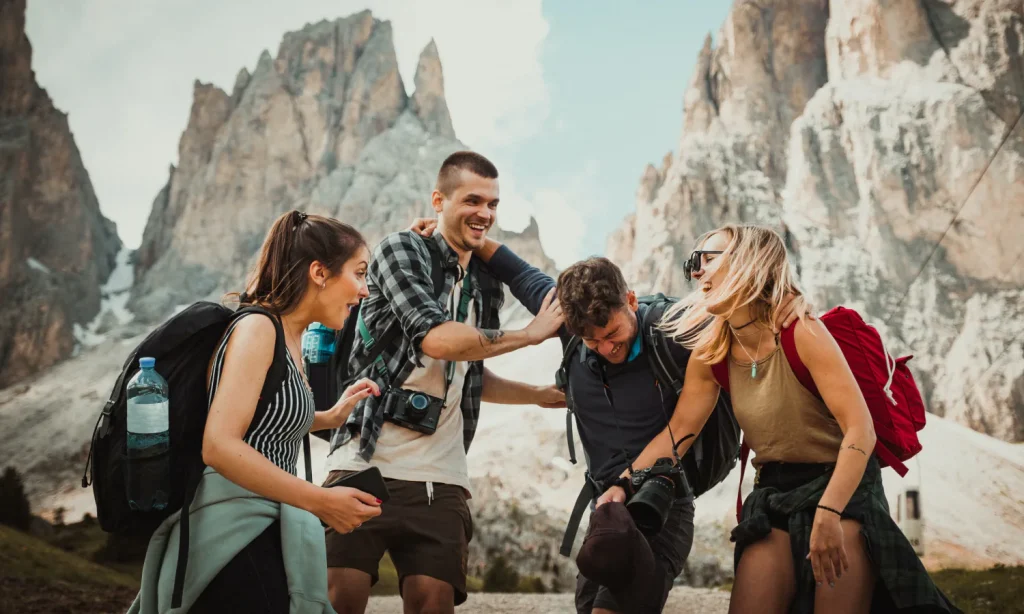
Beyond their physical beauty, mountains hold deep cultural and spiritual value. For many indigenous communities, mountains are considered sacred places, centers of mythology, and symbols of strength, freedom, and eternity. Activities like mountaineering and trekking also offer modern humans the opportunity to challenge their physical limits and find tranquility through a deep connection with the wilderness.
With their dramatic landscapes and vital role on the planet, mountains will continue to be one of the world’s greatest attractions, offering adventure, beauty, and lessons about the importance of nature conservation.