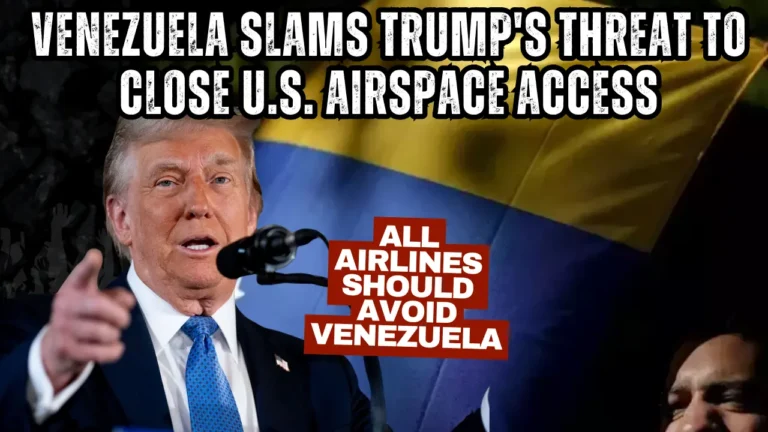
Breaking News
Popular News


Enter your email address below and subscribe to our newsletter

 Byafshena
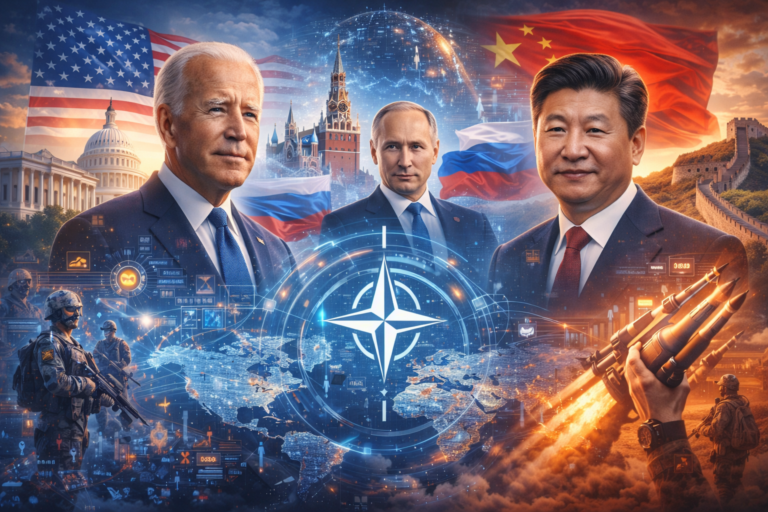
The global political landscape is entering a period of heightened tension. From diplomatic standoffs to regional conflicts, international relations are becoming increasingly fragile, pushing nations into a state of constant uncertainty.
What was once a relatively predictable global order is now being tested by shifting alliances, economic pressure, and unresolved geopolitical rivalries.
In recent years, long-standing diplomatic frameworks have shown signs of strain. Trust between major powers is eroding, while multilateral cooperation is becoming harder to sustain.
Conflicts that were once contained within borders are now producing global ripple effects. Energy markets, trade routes, and security agreements are all being reshaped by rising instability.
Localized conflicts no longer remain local. Tensions in one region often trigger economic and political consequences worldwide, affecting supply chains and international markets.
As nations take sides or impose sanctions, global interdependence turns regional disputes into worldwide challenges. The result is a fragile system where escalation risks are ever-present.
Major powers are increasingly asserting influence through economic leverage, military presence, and strategic partnerships. This competition has intensified geopolitical rivalries and reduced room for diplomatic compromise.
Smaller nations are often caught between competing interests, forced to navigate a complex web of alliances that shape their political and economic futures.
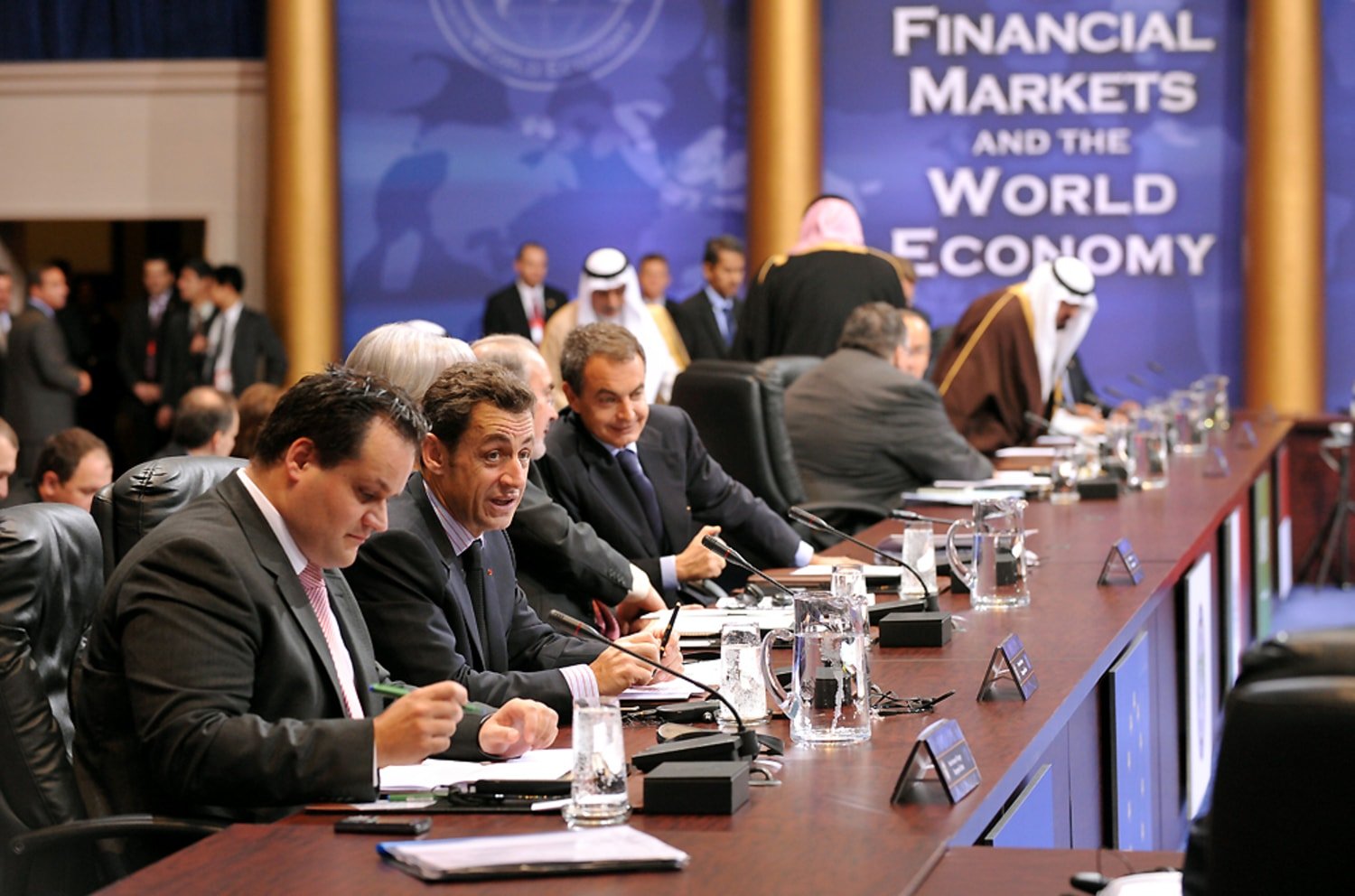
Diplomacy remains a critical tool, but its effectiveness is being tested. Negotiations are frequently overshadowed by public pressure, nationalist sentiment, and domestic political calculations.
As trust declines, dialogue becomes harder to sustain. International institutions designed to prevent conflict are struggling to adapt to a faster, more polarized world.
Geopolitical tension has direct economic consequences. Markets react sharply to uncertainty, while inflation, energy prices, and trade disruptions amplify public anxiety.
For many countries, managing economic stability has become inseparable from managing foreign relations. Political decisions now carry immediate financial repercussions.
Analysts increasingly describe the world as entering a transitional phase. Traditional power structures are being challenged, and new centers of influence are emerging.
This shift does not necessarily signal collapse, but it does mark the end of a familiar era. The future global order may be more fragmented, competitive, and unpredictable.
The world is at a crossroads. Rising tensions are reshaping international relations and testing the resilience of global systems built over decades.
Whether this period leads to renewed cooperation or prolonged instability will depend on the choices made by leaders today. What remains clear is that the global balance is changing—and its impact will be felt everywhere.