Breaking News



Enter your email address below and subscribe to our newsletter

 Byafshena
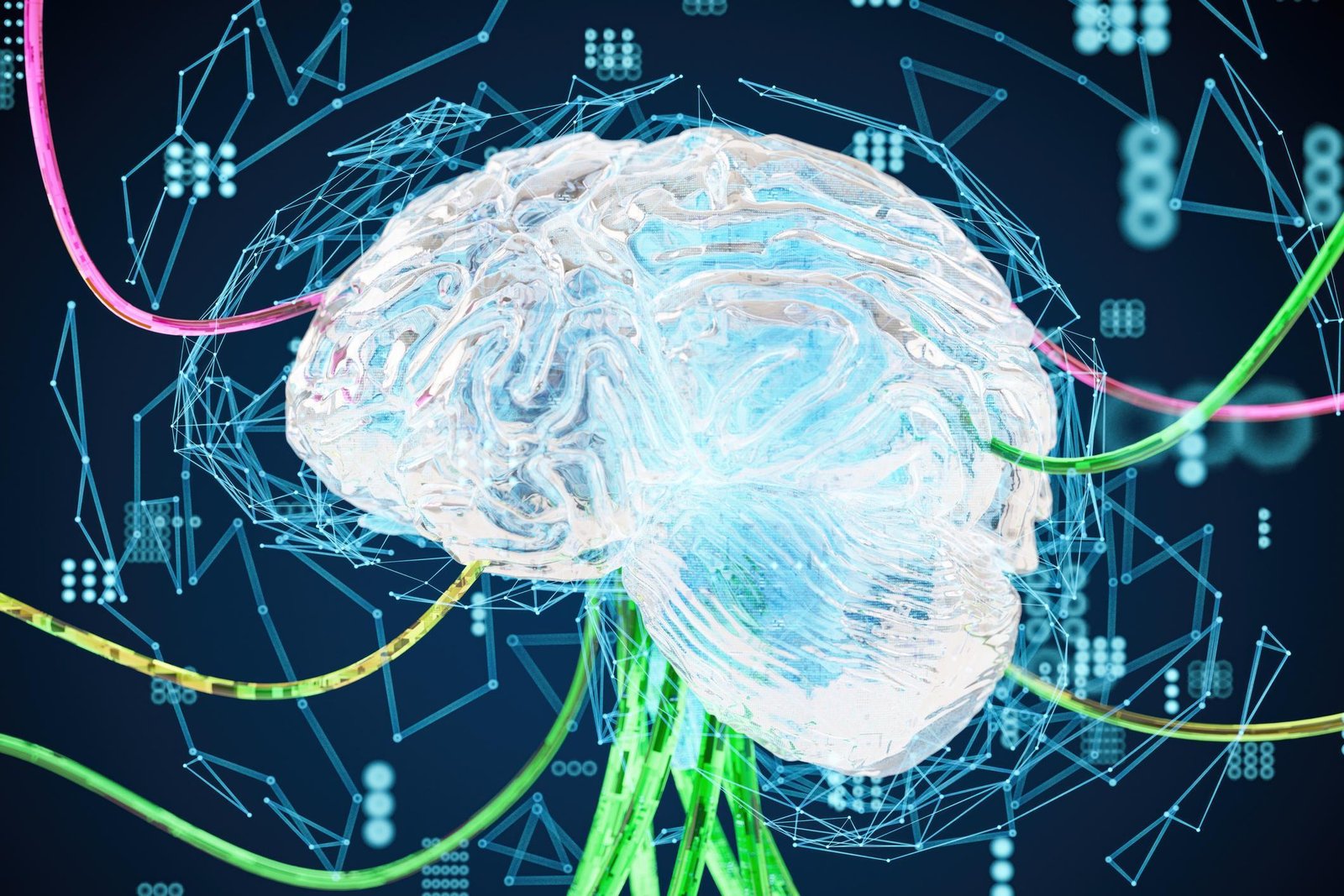
Artificial intelligence is no longer just transforming industries—it is reshaping the way humans think. As AI systems become embedded in daily life, scientists are beginning to ask a deeper question: is constant interaction with intelligent machines changing the human brain itself?
From recommendation algorithms to generative tools, AI now influences how people process information, make decisions, and even remember facts. What once seemed like science fiction is quickly becoming a measurable cognitive shift.
The human brain is highly adaptable. Neuroscientists describe this ability as neuroplasticity—the brain’s capacity to reorganize itself in response to repeated behaviors and stimuli.
Historically, major technologies such as writing, printing, and smartphones have altered cognitive patterns. AI represents a far more interactive leap, responding dynamically to human input and shaping behavior in real time.
This continuous feedback loop may be accelerating changes in attention, memory, and problem-solving strategies.
One growing concern among researchers is the potential decline of deep cognitive processing. When AI tools provide instant answers, users may rely less on analytical reasoning and long-term memory.
Instead of learning how to solve problems, people increasingly learn how to prompt machines. Over time, this shift could weaken certain cognitive skills while strengthening others, such as pattern recognition and task delegation.
The brain, optimized for efficiency, may adapt by outsourcing thinking to algorithms.
AI-driven platforms are designed to capture and hold attention. Personalized feeds, adaptive notifications, and algorithmic content delivery train the brain to expect constant stimulation.
Studies suggest that prolonged exposure to such systems can reduce attention spans and increase cognitive fatigue. The brain becomes accustomed to rapid reward cycles, making sustained focus more difficult.
This raises questions about how future generations will engage with complex ideas requiring patience and concentration.
Cognitive offloading—the practice of relying on external tools to store information—is not new. However, AI dramatically expands this behavior by acting as an always-available cognitive assistant.
As people increasingly depend on AI for reminders, writing, and decision support, memory functions may shift from retention to retrieval. Remembering where information is stored becomes more important than remembering the information itself.
This transformation reflects a fundamental change in how knowledge is structured in the human mind.
Not all changes are negative. Some scientists argue that AI could enhance human cognition by reducing mental overload. By automating routine tasks, the brain may free resources for creativity, strategy, and emotional intelligence.
AI-assisted learning tools have also shown promise in personalized education and cognitive rehabilitation. The key question is whether these benefits outweigh the long-term neurological trade-offs.
Balance, rather than rejection, may determine the outcome.
As AI continues to evolve, ethical considerations are becoming inseparable from neuroscience. Should limits be placed on cognitive automation? How much mental delegation is too much?
Researchers emphasize the need for long-term studies to understand how constant AI interaction reshapes neural pathways. The answers may redefine what it means to think, learn, and be human in the digital age.
Artificial intelligence is not just changing the world—it is changing the human brain. Through continuous interaction, AI systems are influencing attention, memory, and cognitive habits at a fundamental level.
Whether this transformation leads to cognitive enhancement or erosion depends on how society chooses to integrate intelligent machines into everyday life. What is clear is that the relationship between humans and AI is no longer external—it is neurological.