Breaking News
Enter your email address below and subscribe to our newsletter

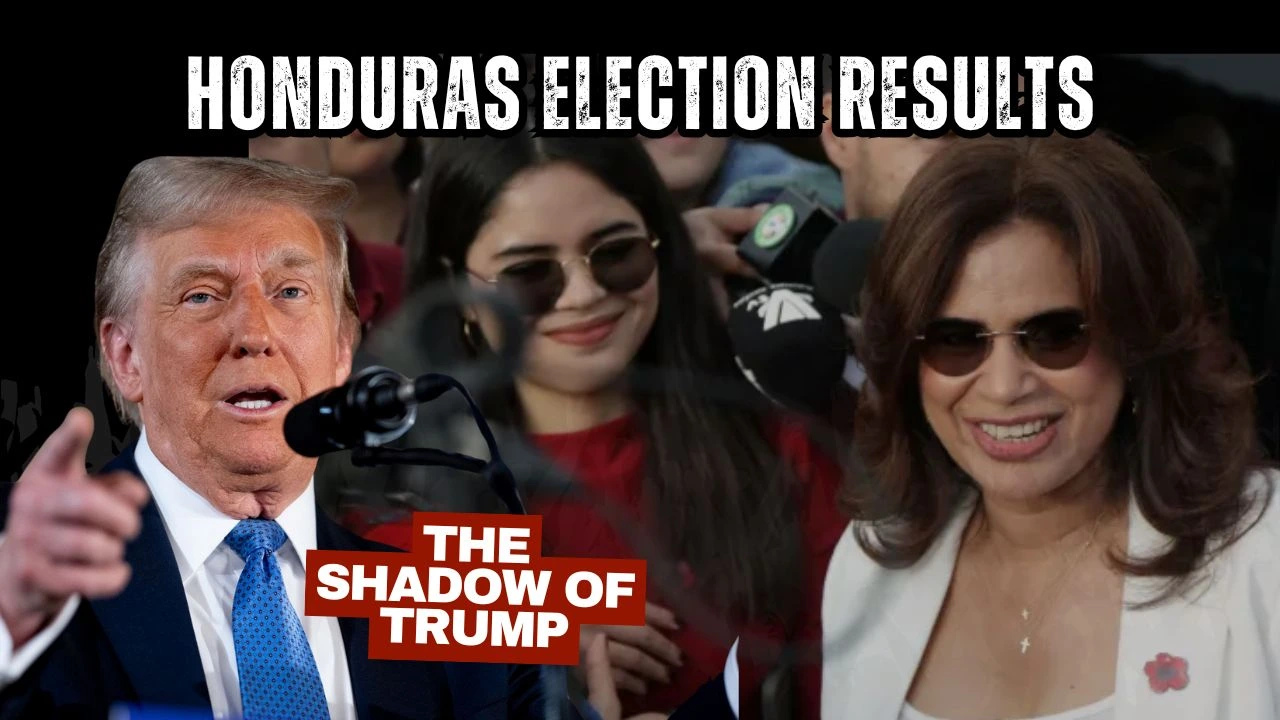
The political climate in Honduras has reached a boiling point. Citizens across the Central American nation cast their ballots in a high-stakes presidential election, an event that has quickly transformed into an international spectacle dominated by deep polarization, serious allegations of fraud, and highly unusual public interference from a former U.S. President. The outcome of this election will not just decide who takes the presidential helm; it will determine the future direction of a country grappling with rampant poverty, persistent security challenges, and a legacy of political upheaval.
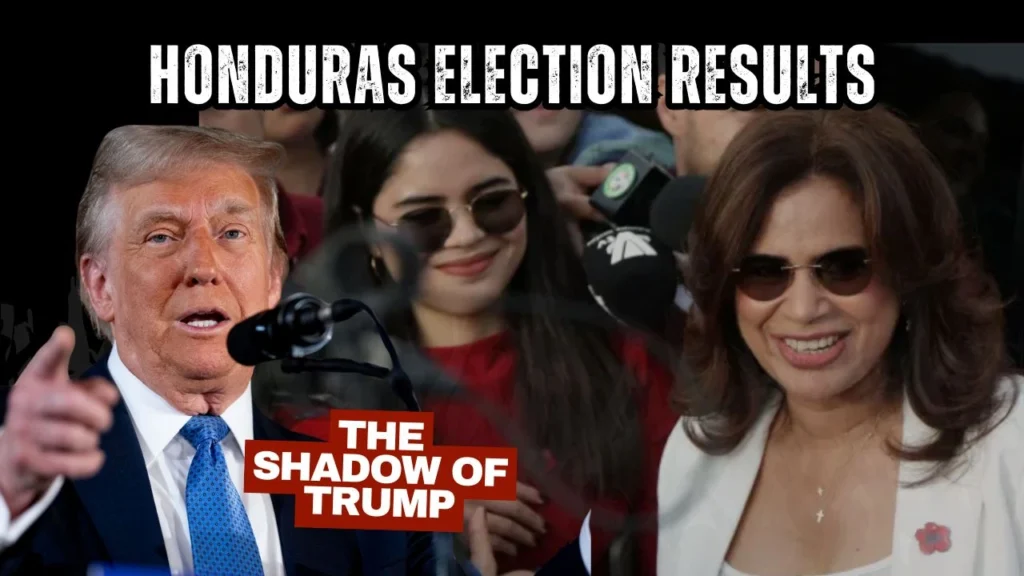
As vote counting commences following the extended polling hours—a necessary measure to accommodate the remaining electorate—the world watches for the first results, which are expected late tonight. The race is historically tight, featuring a three-way virtual tie among the leading contenders. At the heart of the contest is the dramatic showdown between former Tegucigalpa Mayor Nasry Asfura of the right-wing National Party, heavily backed by the United States, and former Defence Minister Rixi Moncada of the governing leftist Liberty and Refoundation (LIBRE) party. The backdrop of President Donald Trump’s vocal support for Asfura, coupled with his controversial threats regarding U.S. aid, has injected unprecedented tension into an already fragile democratic process. This comprehensive report breaks down the candidates, the pervasive atmosphere of fraud accusations, and the massive international pressures shaping the Honduras Election Results.
The 2025 Honduran general election is arguably the most consequential vote since the country’s 2009 coup. Hondurans are not only selecting their next President but also 128 members of Congress, hundreds of mayors, and numerous other public officials. However, the international spotlight remains fixated on the presidential contest, which analysts describe as a dead heat.
The top three contenders represent distinct ideological wings of Honduran politics, intensifying the already highly polarized climate across the country:
The virtual tie across these three figures underscores the deep divisions within the Honduran electorate, where security and jobs remain the perennial top priorities for citizens. The slow and meticulous manual vote-counting process, put in place partly to avoid the very fraud being alleged, means definitive Honduras election results will take time to materialize, keeping the country on edge.
A central and highly unusual feature of this election has been the direct involvement and open threats made by President Donald Trump. His public statements supporting Asfura have drastically heightened tensions and brought into sharp focus the geopolitical implications of the vote.
Trump openly posted on social media supporting Asfura, coupling his endorsement with a startling threat aimed directly at the Honduran populace: “if he doesn’t win, the United States will not be throwing good money after bad.”
This statement serves multiple purposes:
Further inflaming the political atmosphere was Trump’s recent statement that he would pardon the country’s former President, Juan Orlando Hernandez. Hernandez, a prominent member of Asfura’s National Party, is currently serving a 45-year drug trafficking sentence in the U.S.
The potential pardon is seen by many as a powerful political bargaining chip:
While the exact impact of Trump’s involvement on voter behavior remains unclear, it has undoubtedly overshadowed the domestic issues that typically dominate Honduran elections. The electoral process is no longer just about Honduran candidates; it is about U.S. leverage and its willingness to use aid and judicial power as political weapons.
The current election is unfolding in an environment of extreme political tension, where deep-seated public distrust of the electoral process is already high. All three top candidates have leveled serious allegations of fraud against one another, creating a circular logic of suspicion that threatens the legitimacy of the final outcome.
The Attorney General’s Office, which is politically aligned with the governing LIBRE party, publicly accused opposition parties of plotting widespread voter fraud. This move, while officially framed as a preventative measure, was immediately and vehemently denied by the opposition, deepening the rift.
Central to the allegations against the right-wing National Party are audio recordings that prosecutors have investigated. These recordings purportedly feature a high-ranking National Party politician discussing plans with an unidentified military officer to manipulate the election results.
This specific controversy highlights the new challenges facing election integrity worldwide, where digital manipulation can become a political weapon, further eroding public confidence.
The political machinations, coupled with practical issues such as delays in the provision of voting materials in several locations, have contributed to a widespread public feeling of insecurity regarding the fairness of the vote. As one young law student in Tegucigalpa noted, “We are hoping that there will be no fraud and that the elections will be peaceful. This would be a huge step forward for democracy in our country.” The hope for peace and fairness underscores the historical instability of Honduran politics.
To understand the intensity of the current Honduran election race, one must look back at the nation’s turbulent political history and the recent shift in power.
Honduras suffered a military coup in 2009, which saw the overthrow of then-President Manuel Zelaya, the husband of current President Xiomara Castro. This coup was carried out by an alliance of conservative military figures, politicians, and businessmen, marking a period of instability and right-wing dominance.
The 2021 election represented a monumental change, as voters delivered a landslide victory to Xiomara Castro, ending decades of rule by the traditional National and Liberal parties. Castro became the first woman to govern Honduras, and her administration has focused on addressing the deep-rooted poverty and inequality that plagues the country.
Despite the persistent issues, Castro’s tenure has been marked by several successes:
As Castro is limited by law to a single term, Moncada’s campaign is essentially asking voters to endorse a continuation of these policies, which some voters, like the retiree who noted “development, a better economy and security,” clearly support. The vote is thus a critical test of the longevity and acceptance of the LIBRE movement’s reformist agenda.
As the polls close and the manual counting process begins, the world is holding its breath. The extremely close nature of the race, coupled with the legacy of political instability, dictates that the counting process must be meticulous and transparent.
The vote counting is notoriously slow because it is done “one by one, by hand.” Furthermore, exit polls are banned in an effort to prevent premature reporting that could spark violence or accusations of undue influence before the official count is complete. The National Electoral Council (CNE) typically aims to provide final results on the day of the election, but given the “too close to call” nature of this race, definitive clarity may be delayed.
The uncertainty directly relates back to the international pressure. As Al Jazeera reported from Tegucigalpa, analysts are acutely focused on whether Trump’s backing of Asfura will ultimately swing the result in the conservative candidate’s favor, or if the national electorate will dismiss the foreign interference.
The highly volatile climate has prompted strong reactions from international monitoring bodies.
The U.S. government, through Deputy Secretary of State Christopher Landau, issued a separate, stern warning via social media, stating the U.S. would “respond swiftly and decisively to anyone who undermines the integrity of the democratic process in Honduras.” These external warnings underscore the widespread fear that the results, regardless of who wins, could be contested or destabilizing.
The 2025 Honduran Presidential Election is a microcosm of the intense political and economic battles currently defining Central America. The contest pits a progressive, reformist agenda against a traditional, conservative platform that is amplified by the powerful, yet controversial, backing of the United States.
As the nation awaits the Honduras Election Results, the core issues remain: the future of social spending, economic stability, and, most urgently, the integrity of the democratic process itself. Whether the result is decided by the genuine will of the Honduran people—who prioritize security and economic improvement—or by the fear generated by foreign threats and domestic fraud allegations, the outcome will have profound implications for the political landscape in Latin America for years to come.