Breaking News




Popular News





Enter your email address below and subscribe to our newsletter

 Byafshena
Across China, from bustling urban centers to serene temple complexes and quiet village entrances, one encounters a ubiquitous and instantly recognizable symbol: the Pailou (牌樓) or Paifang (牌坊). These elaborate, freestanding archways, most notably in their striking red and gold hues, are far more than mere architectural decorations. They are profound cultural markers, serving as gateways to sacred spaces, commemorative monuments, and vivid expressions of Chinese history, philosophy, and social values.
Historically, Pailou were erected to honor individuals or commemorate significant events. They served as public proclamations of virtue, filial piety, chastity, academic achievement, or heroic deeds. A scholar who excelled in imperial examinations, a widow who maintained her chastity throughout her life, or a village that produced many distinguished officials might be honored with a magnificent archway. These structures effectively “immortalized” the honored person or event, ensuring their legacy lived on.
Over time, their function expanded. Many Pailou mark the entrances to:
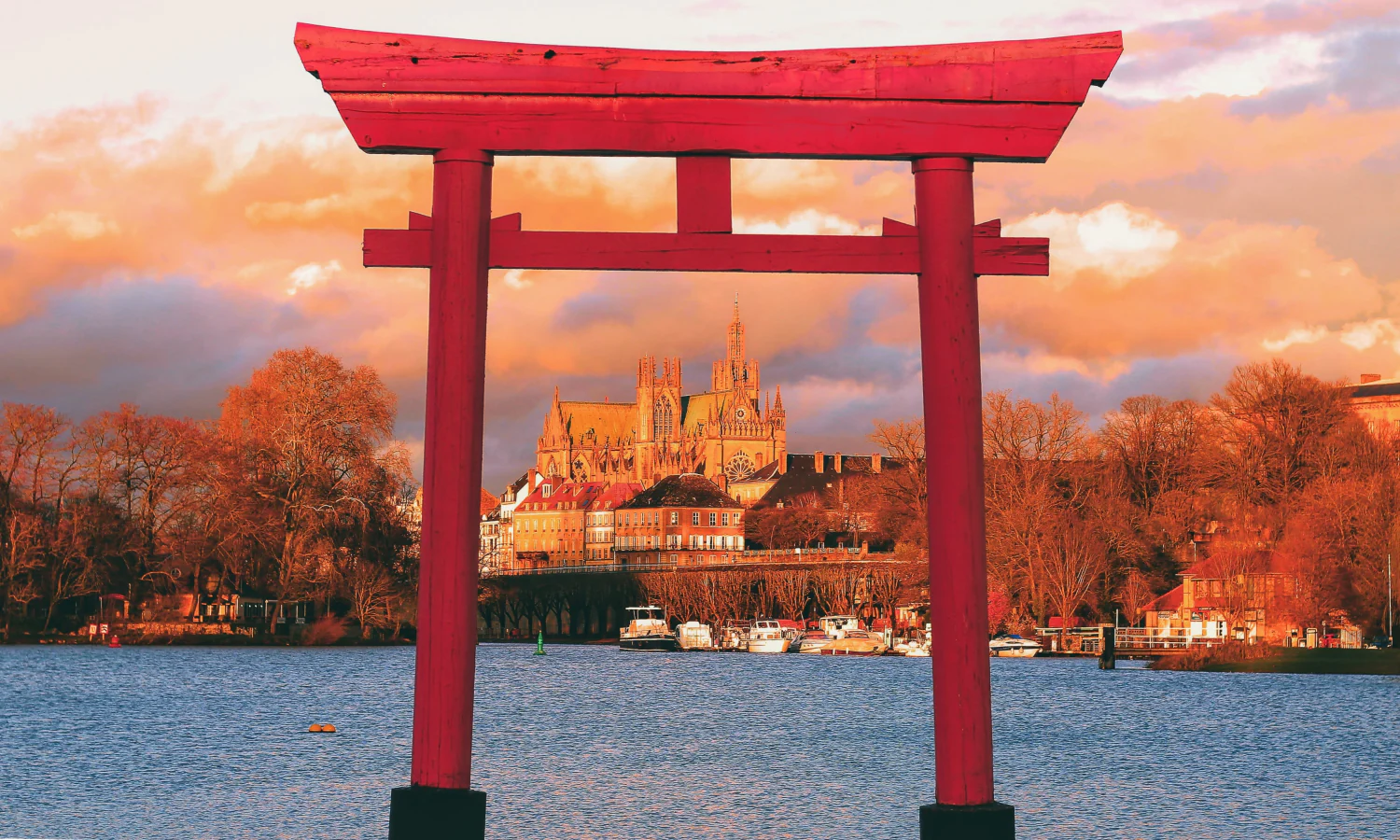
The most striking feature of many Pailou is their vibrant red color, often accented with gold and intricate carvings. Red, in Chinese culture, is the color of luck, joy, prosperity, and protection. It is believed to ward off evil spirits and bring good fortune. Gold signifies wealth, power, and imperial status. Together, these colors imbue the archways with a powerful auspicious energy.
The structural form of a Pailou itself is highly symbolic:
Pailou serve as both physical and metaphorical thresholds. As one passes beneath a Pailou, it signifies a transition—from the mundane world to a sacred space, from the public street to a private garden, or from ordinary time into a moment of commemoration. They prepare the mind, inviting contemplation and respect for what lies beyond.
In places like modern-day Chinatowns around the world, the Pailou becomes an even more poignant symbol. It stands as a beacon of cultural identity, a reminder of heritage, and a welcoming gateway for those seeking to connect with Chinese culture in a foreign land.
From the grand imperial Pailou leading to the Forbidden City to the humble, yet equally significant archways of a small village, these red gates continue to stand as enduring testaments to China’s rich cultural tapestry. They are silent storytellers, guarding traditions and inviting all who pass beneath them to delve deeper into the layers of history and meaning they enclose.