📈 Introduction: Vertical Assets and Economic Health
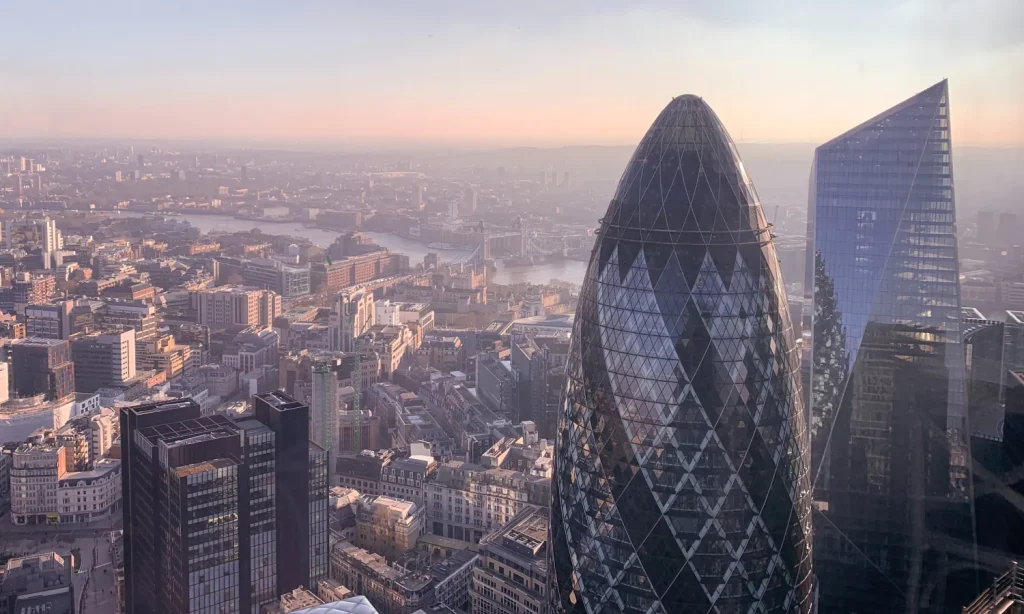
The steel and glass silhouette of a modern office tower is more than just a striking architectural achievement; it is a critical asset in the global economy. Office buildings serve as the physical infrastructure for knowledge work, finance, and corporate strategy, making them potent indicators of a city’s economic vitality. Analyzing the real estate market surrounding these vertical structures offers invaluable insights into investment trends, market confidence, and future economic direction.
💰 Commercial Real Estate: A Major Economic Engine
The sector of commercial real estate (CRE), dominated by office spaces, acts as a significant economic engine, influencing capital markets and employment.
- Capital Investment: Developing a major office complex involves massive capital flows. These projects require financing, often in the form of billions of dollars in loans and equity investment, making the CRE sector a major client for the financial industry. The success or failure of these projects is closely monitored as an indicator of liquidity and risk appetite within the economy.
- Job Creation: Beyond the white-collar jobs housed inside, the construction, maintenance, and operation of office towers create thousands of blue-collar and service sector jobs. A booming office construction sector signals a positive outlook for the local labor market.
- Tax Base: Office buildings contribute substantially to local government finances through property taxes and related commercial levies, funding public services and infrastructure improvements.
The Office Vacancy Rate as a Market Barometer
One of the most immediate economic indicators derived from office buildings is the vacancy rate. This metric offers a real-time snapshot of the demand for commercial space.
- High Demand, Low Vacancy: A low vacancy rate indicates a strong economy where companies are expanding, hiring, and competing for prime locations. This scenario typically leads to rising rental prices and higher property valuations.
- Low Demand, High Vacancy: Conversely, a high vacancy rate suggests economic uncertainty, corporate downsizing, or a shift in work patterns (like the rise of remote work). This can depress rental income and property values, potentially straining the financial sector that holds the related debt.
🌐 Productivity and Economic Output
The physical office environment itself is designed to maximize economic output and productivity.
- The Power of Proximity: Despite technological advancements, having key personnel clustered in a central location facilitates spontaneous collaboration, rapid decision-making, and the organic exchange of ideas—often termed “agglomeration economies.” This intellectual synergy drives innovation, which is a key long-term factor in economic growth.
- Technology Integration: Modern offices are built as “smart buildings,” integrating advanced technology to manage energy, security, and connectivity. This efficiency contributes to lower operational costs for businesses, ultimately impacting their bottom line and overall economic competitiveness.
⭐ Conclusion: The Enduring Value of the Vertical City
The office building is an indispensable component of the modern economic landscape. Its towering presence is a clear, physical signal of a city’s ambition and a leading indicator of its financial health. As economic cycles evolve and work models adapt, the function and design of these buildings will continue to change, but their fundamental role as the physical engine of corporate capital and intellectual productivity will remain central to the global economy.









 Byafshena