Breaking News



Popular News




Enter your email address below and subscribe to our newsletter

 Byafshena
Statues, often massive and imposing, or sometimes delicate and intricate, are far more than just pieces of stone, metal, or wood. They are silent, enduring guardians of culture, history, and ideology, providing a tangible link between the past, present, and future. Across every civilization, from ancient empires to modern societies, statues have played a pivotal and multifaceted role.
Historically, the creation of a statue was an act of profound significance. In Ancient Egypt, monumental statues of Pharaohs and deities were symbols of divine authority and eternal power, intended to serve as vessels for the spirit (ka) in the afterlife. Similarly, the celebrated sculptures of Ancient Greece—like the Venus de Milo or the works of Phidias—embodied an idealized form of humanity and celebrated the values of physical excellence, democracy, and mythology.
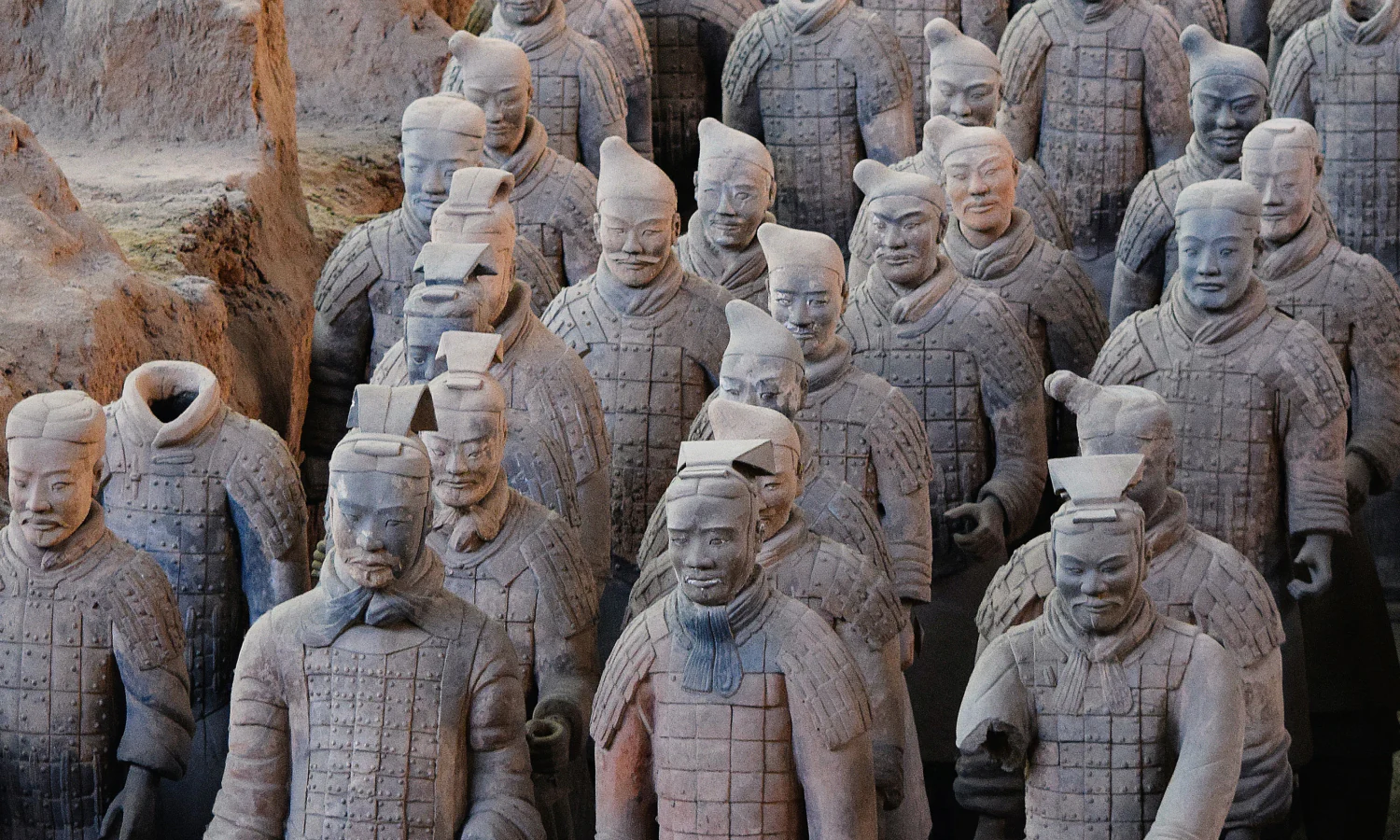
The famous Terracotta Army in China, a vast collection of thousands of life-sized figures, is a powerful testament to the artistic skill and militaristic focus of the Qin Dynasty, designed to accompany the first emperor into the next world. These historical artifacts offer historians invaluable insights into the social structures, religious beliefs, and artistic techniques of their time.
In many cultures, statues are central to religious devotion.
Beyond religion, public statues serve as powerful markers of national or community identity. They immortalize influential figures—heroes, leaders, or patriots—and commemorate pivotal historical events. They foster a sense of shared heritage and pride, reminding a community of its struggles, triumphs, and aspirations. A prime example is the Statue of Liberty in New York, a gift from France that has become a global icon of freedom, democracy, and a welcoming beacon for immigrants.
In contemporary society, the significance of statues continues to evolve. While they still serve to honor and beautify cities, they have also become focal points for social and political debate. The decision to erect, maintain, or remove a statue often sparks vigorous public discussion, reflecting shifts in societal norms and challenging inherited historical narratives. This ongoing dialogue proves that statues are not merely static monuments; they are dynamic symbols whose meaning is constantly being negotiated and redefined by the people who encounter them.
In essence, a statue captures a moment in time, a belief, or an ideal, solidifying it in a permanent medium. Whether depicting a revered deity or a legendary figure, these creations continue to enrich our cultural landscape, serving as tangible testaments to the enduring spirit of human civilization..