Breaking News


Enter your email address below and subscribe to our newsletter

 Byafshena
Regional conflicts continue to impact global security. Tensions in Eastern Europe, the Middle East, and parts of Asia have highlighted the fragility of international peace. These conflicts often involve complex geopolitical interests, making resolution difficult and prolonged.
Beyond military implications, regional instability affects global energy markets, supply chains, and humanitarian conditions. As a result, conflicts in one region can have far-reaching consequences worldwide.
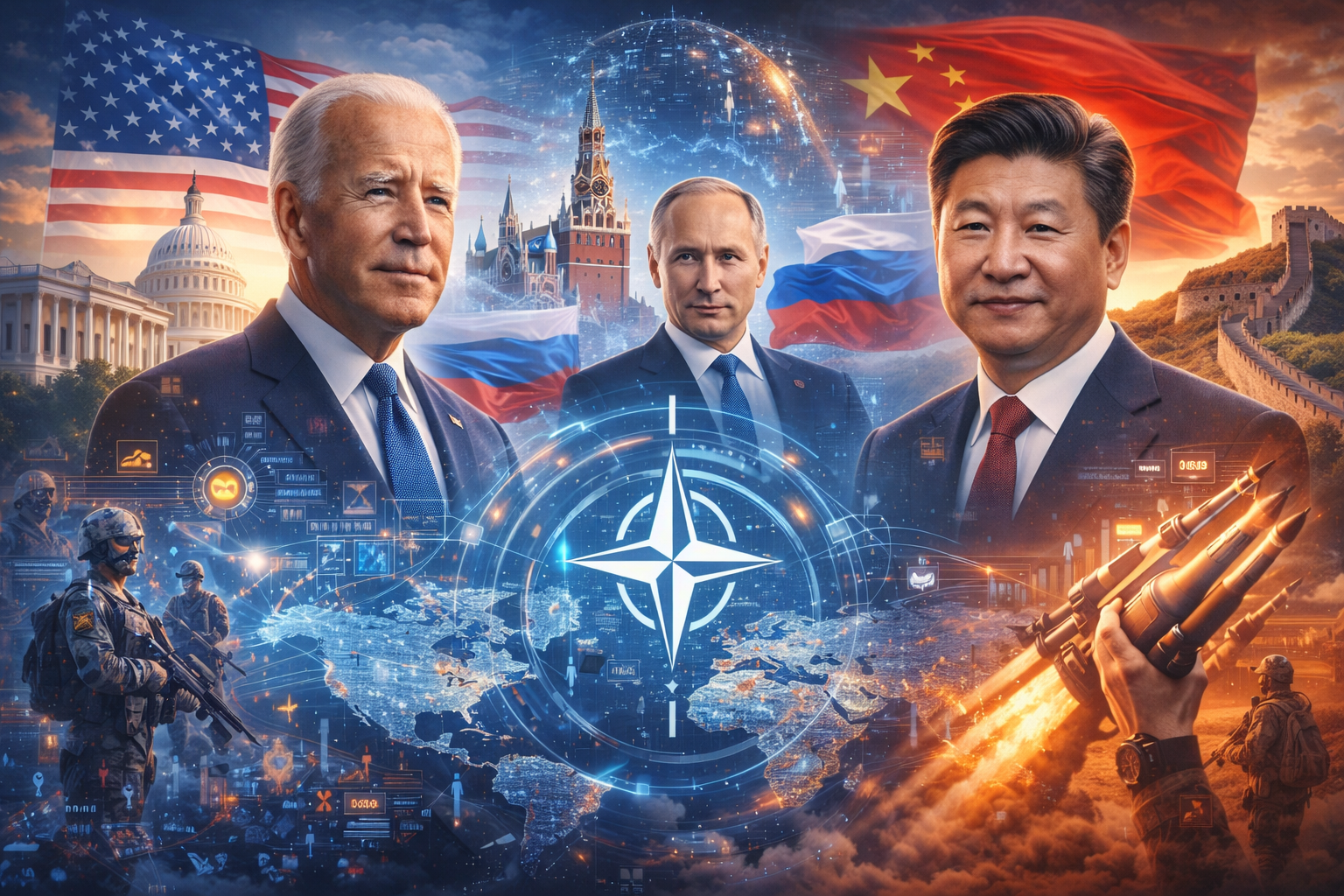
International alliances play a critical role in maintaining security and political coordination. Organizations such as military and economic partnerships influence global decision-making and crisis response. For many Western nations, alliances remain essential tools for deterrence and collective defense.
At the same time, new partnerships are emerging among non-Western countries, reflecting shifting priorities and shared interests. This evolving alliance landscape adds complexity to global diplomacy.
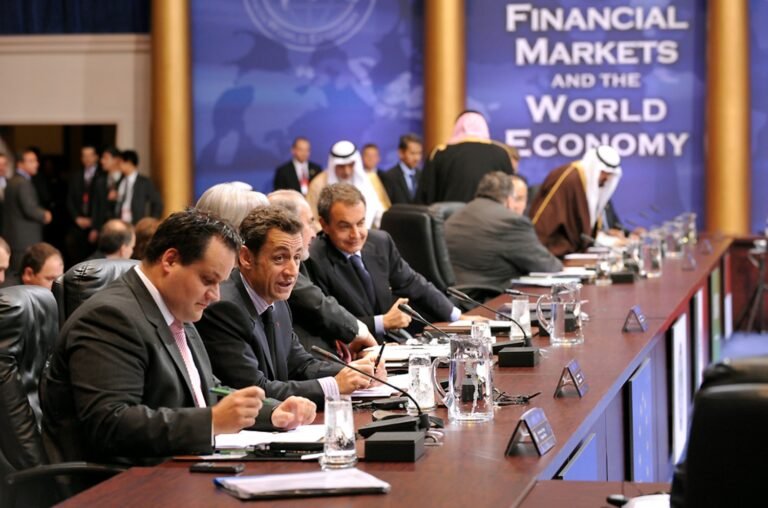
Despite political tensions, global economies remain deeply interconnected. Trade, investment, and financial systems link nations together, making economic cooperation both necessary and challenging. Disruptions caused by conflict, sanctions, or policy shifts can quickly ripple across global markets.
Countries are increasingly focused on economic resilience, diversification of supply chains, and strategic industries. These efforts aim to reduce vulnerability while maintaining the benefits of global trade.
Technology has become a key factor in global competition. Control over digital infrastructure, data, and emerging technologies influences economic strength and national security. Information flows rapidly across borders, shaping public opinion and diplomatic narratives.
As digital influence grows, governments face challenges related to cybersecurity, misinformation, and technological governance at a global level.
Diplomacy remains a vital instrument in managing global challenges. Multilateral forums, international agreements, and dialogue channels help reduce tensions and promote cooperation. In an interconnected world, diplomacy must adapt to faster communication and heightened public scrutiny.
Effective diplomacy now requires not only negotiation skills but also strategic communication and global coordination.
The world is unlikely to return to a simple, predictable structure. Instead, the future global order will be shaped by ongoing competition, collaboration, and adaptation. Addressing shared challenges such as climate change, global health, and economic stability will require cooperation across political divides.
How nations respond to current transitions will determine whether the global system moves toward greater stability or deeper fragmentation.
The world is at a crossroads. Shifting power dynamics, geopolitical tensions, and global interdependence define the current era. While challenges are significant, opportunities for cooperation and progress remain.
Understanding global developments is essential for navigating the future. In a rapidly changing world, informed dialogue, responsible leadership, and international cooperation will be key to maintaining peace and stability.