Breaking News


Enter your email address below and subscribe to our newsletter

 Byafshena
Travel is no longer defined by short vacations and fixed itineraries. As remote work becomes a permanent reality, a new generation of travelers is reshaping how, why, and where people move across the world.
Remote workers are blending careers with mobility, turning cities into temporary homes and travel into an ongoing lifestyle rather than a brief escape.
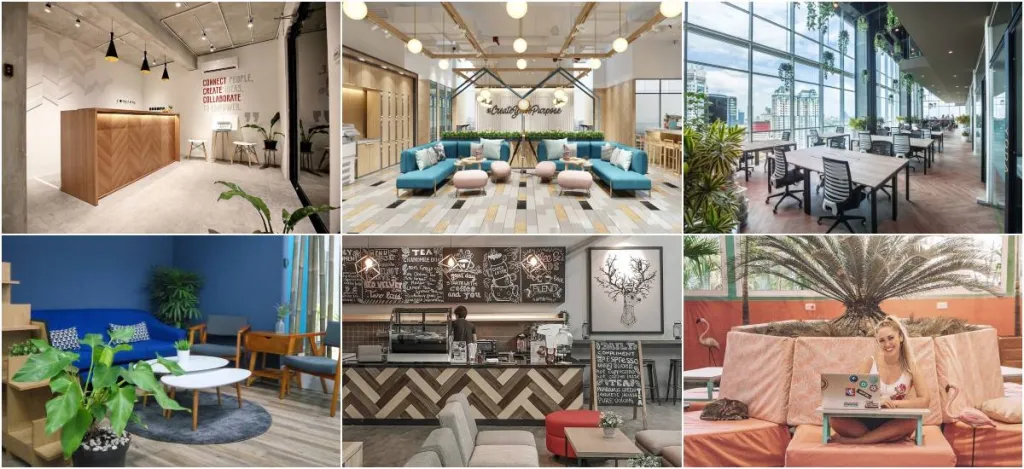
Advances in technology have untethered millions of professionals from traditional offices. With a laptop and stable internet connection, work can now happen from cafés, coworking spaces, and shared apartments across global cities.
This shift has created a new travel mindset—one that values long stays, local immersion, and flexible schedules over fast-paced tourism.
Many cities are adapting to the rise of remote workers. Infrastructure such as coworking spaces, extended-stay accommodations, and community hubs has become central to modern travel culture.
Unlike traditional tourists, remote workers often stay longer and engage more deeply with local neighborhoods. Their presence contributes to local economies while reshaping urban travel ecosystems.
Remote workers travel differently. Instead of packed itineraries, they prioritize routine, productivity, and balance. Travel decisions are influenced by cost of living, internet reliability, time zones, and lifestyle quality.
This slower approach to travel has encouraged deeper cultural exchange and a shift away from mass tourism toward more sustainable travel patterns.
The influx of long-term visitors brings both opportunities and challenges. Remote workers support local businesses year-round, from cafés to housing services.
However, rising demand can also impact rental markets and living costs. Cities are increasingly tasked with balancing economic benefits against affordability and cultural preservation.
For remote workers, travel is no longer a break from life—it is life. Work, leisure, and exploration exist simultaneously, blurring traditional boundaries.
This evolution is changing how people define home, career progression, and personal fulfillment, signaling a broader cultural shift in global mobility.
Despite its appeal, the lifestyle presents challenges. Time zone differences, isolation, and maintaining long-term stability can be difficult.
Successful remote travelers often rely on community networks, routines, and intentional planning to sustain productivity and well-being while on the move.
As remote work becomes normalized, travel will continue to evolve. Governments and tourism industries are already responding with long-stay visas and digital infrastructure investments.
The future of travel may be less about destinations and more about experiences—where work and exploration coexist in a connected world.
Remote workers are redefining what travel means in the modern era. By merging mobility with professional life, they are transforming cities, travel habits, and cultural expectations.
As this trend grows, travel will become more immersive, flexible, and integrated into everyday life—reshaping the global travel landscape for years to come.